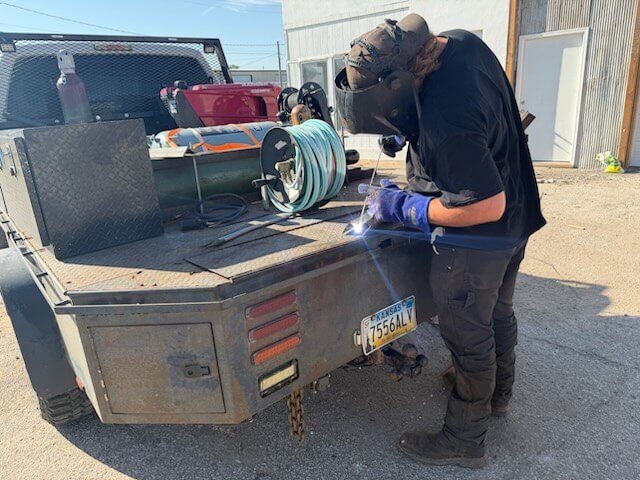
Look around any shop, farm, or job site and you will see metal that someone shaped by hand. A trailer hitch, a heavy table, a custom bracket, a sturdy frame. None of these came off a store shelf. They were designed, cut, bent, and joined by skilled people. If you have a project in mind in Stafford, KS, understanding how this work happens will help you plan better and get the result you want. Let’s break it down in simple terms.
Welding vs. Fabrication: What’s the Difference?
People often use these two words as if they mean the same thing, but they are not identical.
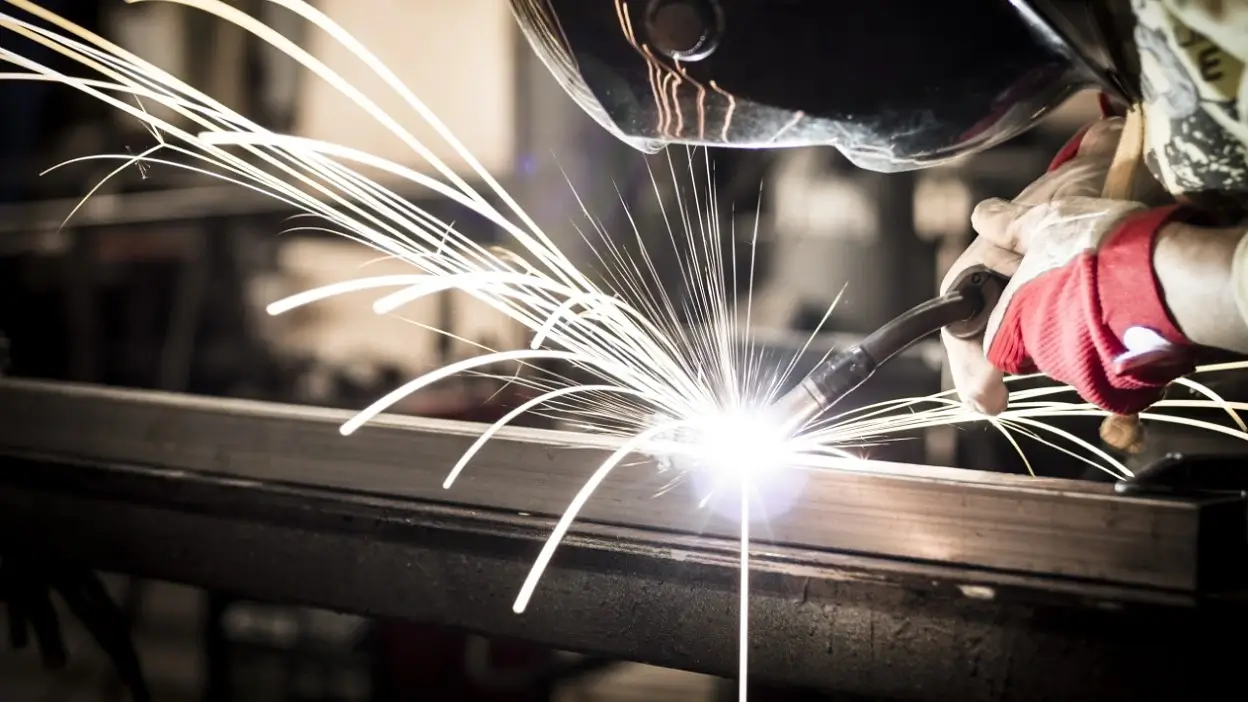
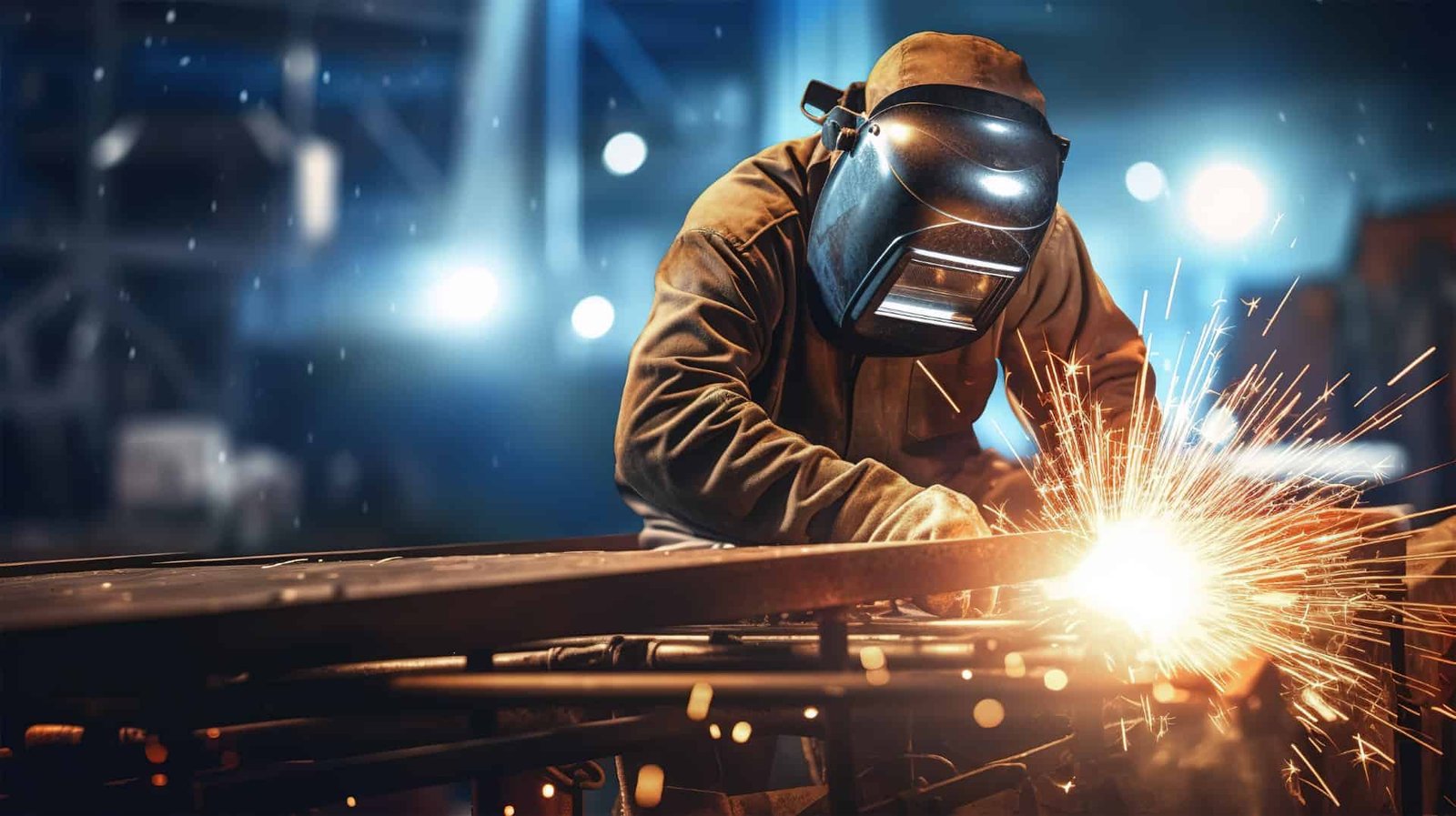
Welding is the act of joining pieces of metal together using heat. It is one step in a bigger process.
Fabrication is the full job of building something from raw metal. It includes measuring, cutting, bending, shaping, and then joining the parts into a finished product.
Think of it this way: welding is one tool, and fabrication is the whole project. Most custom jobs need both.
What Can Be Built Through Fabrication?
Almost anything made of metal can be fabricated. Popular projects include:
- Steel frames and stands
- Work tables and benches
- Trailer parts and truck racks
- Brackets, plates, and mounting pieces
- Fire pits and outdoor décor
- Storage racks and shelves
- Replacement parts for worn-out equipment
If you can sketch it or describe it, a good fabricator can usually build it.
Metals That Are Commonly Used
Different projects call for different materials. Here are the ones you will hear about most:
- Mild steel: Affordable, strong, and easy to work with. It suits most everyday projects.
- Stainless steel: Resists rust and stays clean, which makes it great for food areas and wet spots.
- Aluminum: Light and rust-resistant, which is useful when weight matters.
Your fabricator can suggest the best fit based on where the finished piece will live and how it will be used.
How a Custom Project Takes Shape
Every build begins with a conversation. Here is how things usually move forward:
- Share your idea. Bring a sketch, a photo, or simply describe what you want. Measurements help too.
- Review the plan. The fabricator suggests materials, sizes, and methods, then gives you a price.
- Cut the metal. Raw steel is trimmed to exact sizes using saws, torches, or plasma cutters.
- Shape the pieces. Bending and forming turn flat or straight stock into the right form.
- Fit and tack. Parts are lined up and held in place with small test welds.
- Weld it solid. Once everything fits, full welds lock the pieces together.
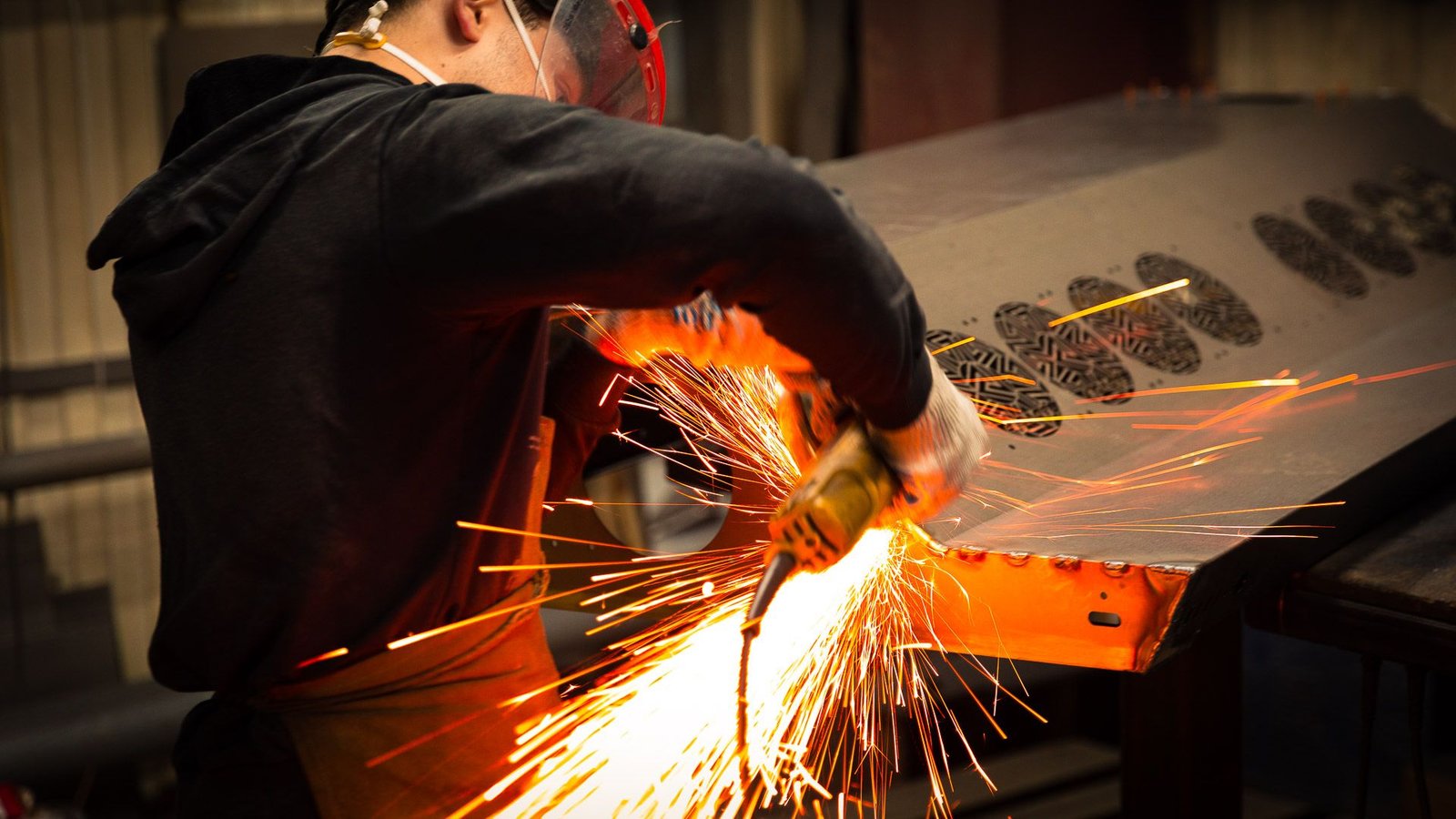
- Clean and finish. Rough edges are ground down, and the piece may be painted or coated.
Taking time at the fitting stage prevents mistakes later and keeps the final product accurate.
Why Custom Work Beats Off-the-Shelf
Store-bought metal products come in standard sizes. They may not fit your space or handle your workload. Custom fabrication gives you:
- A perfect fit: Made to your exact measurements.
- Better strength: Built for the load you actually need.
- Your choice of style: Pick the shape, finish, and color.
- Repair options: A well-built piece can be fixed instead of thrown away.
Spending a little more on a custom build often saves money over time, since it lasts longer and works better.
Tips Before You Start Your Project
A bit of preparation makes the whole process smoother:
- Write down what the piece must do and where it will be used.
- Measure the space twice.
- Think about weight, since heavy loads need thicker metal.
- Decide if the piece will sit outdoors, because it may need rust protection.
- Set a budget, but stay open to advice from the fabricator.
- Share any deadlines early.
Questions to Ask a Fabricator
Before you hire anyone, ask:
- Have you built something like this before?
- What metal do you suggest, and why?
- Will you give me a written quote?
- How long will the job take?
- Can you do repairs later if needed?
Clear answers show that the shop is reliable and honest.
Caring for Your Finished Piece
Metal is tough, but a little care keeps it looking and working well:
- Wipe away dirt and moisture regularly.
- Touch up chipped paint to stop rust from starting.
- Check welds and joints from time to time.
- Store pieces in dry areas when possible.
Need Strong Metal Work for a Business Site Too?
Some projects, like structural frames, railings, and heavy equipment repair, belong in a business setting. If that sounds like your situation, read our guide on commercial welding in Stafford, KS to learn how these jobs work and what to look for in a welder.
Let’s Build Something Strong
Good fabrication starts with a clear plan and a skilled team. At HBK Welding & Fabrication, we build and repair metal pieces for customers in Stafford, KS, using careful work and plain talk. Learn more about our welding and fabrication services in Stafford, KS to see what we can do for you.
Have a project waiting? Contact HBK Welding & Fabrication today for a free quote. Bring your idea, and we will help turn it into strong, lasting steel.